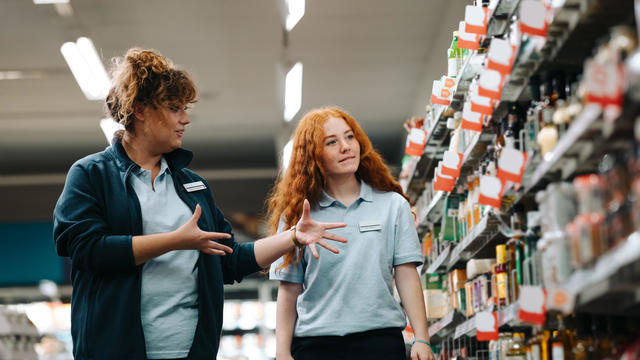
4.3 million more workers will soon get OT pay. Here's who qualifies.
Expanded federal overtime rule could result in employers paying workers an additional $1.5 billion, according to one estimate.
Watch CBS News

Expanded federal overtime rule could result in employers paying workers an additional $1.5 billion, according to one estimate.
Travelers often spend more than they need to for airfare, experts say. Here's what to know about paying for add-ons like your seat assignment.
Senators approve foreign aid package that includes a potential ban on TikTok in the U.S. Here's what experts say could happen next.

Regulators prohibit new noncompetes, which impede millions of U.S. workers from getting a better job.
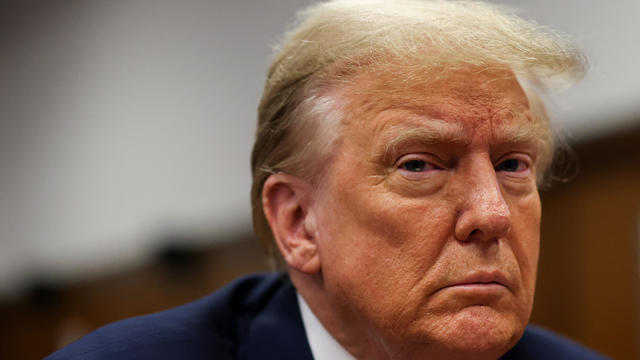
Former President Donald Trump could receive a large windfall from his newly public media company, Trump Media & Technology Group.
Tesla reports slide in earnings and revenue, but investors cheered by pledge to accelerate rollout of cheaper vehicles.
Customers who rely on government assistance programs can get same perks as Prime members, for less.
UnitedHealth said it paid the criminals behind attack that crippled hospitals and pharmacies to protect sensitive patient data.
Millions of Americans filed their taxes during the last two weeks of this year's tax season. Here's how to find out when you'll get your refund.
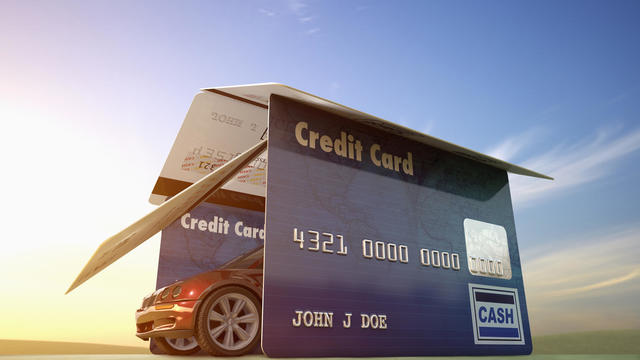
How much money can you save by paying off $20,000 in credit card debt with your home equity? Find out now.

A mortgage loan denial is disheartening, but there are ways to improve your chances of future approval.

If you're looking for ways to resolve your overwhelming credit card debt, these strategies are worth considering.
Tesla accounted for 80% of electric vehicle sales in the U.S. in 2020, but that figure fell to 55% last year.
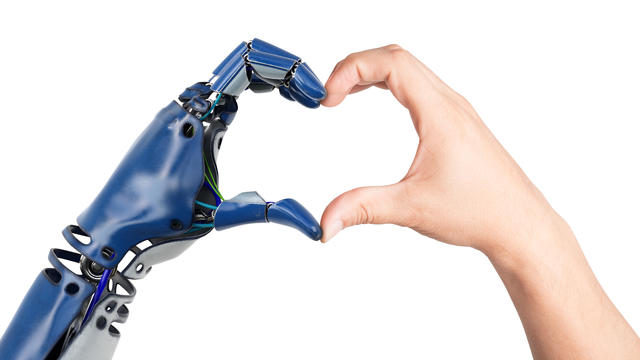
The generative artificial intelligence boom has led to the emergence of romantic companion bots.

Apple said it will stop selling the devices later this month in order to comply with a U.S. import ban.
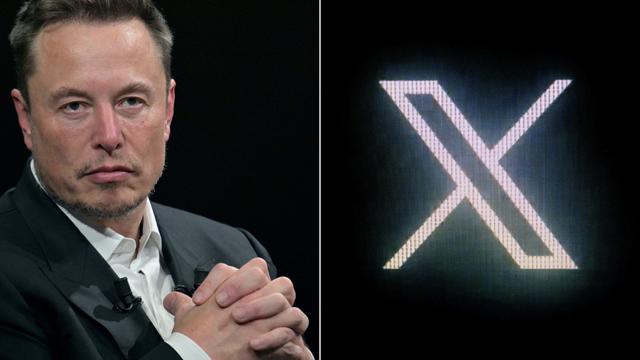
Alex Jones, the conspiracy theorist known for his fake news site InfoWars and his false denial of the Sandy Hook massacre, was permanently banned from Twitter in 2018.

More than 90 million consumers will scan a QR code this year. But the technology can also facilitate identity theft.
The billionaire owner of X took a defensive tone, saying that "the whole world will know that those advertisers killed the company."
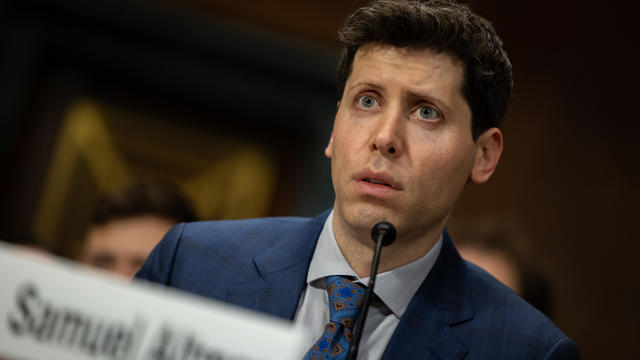
OpenAI co-founder Sam Altman says he's looking forward to returning to the company, with the support of Microsoft's CEO, to build the 2 companies' "strong partnership."
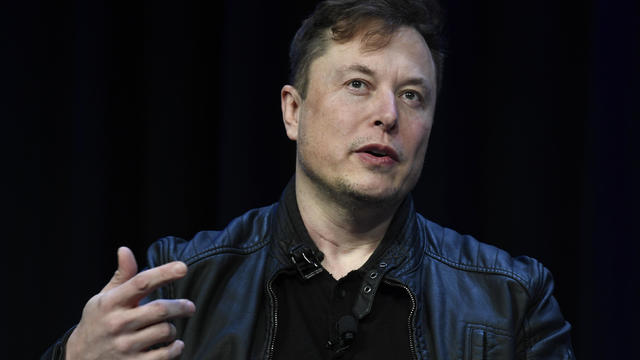
Musk, who is under fire for supporting an antisemitic post, said the money will be donated to hospitals in Israel and to the Red Cross in Gaza.
Altman landed at Microsoft, the biggest investor in OpenAI, as former Twitch leader Emmett Shear was named OpenAI's new chief executive.
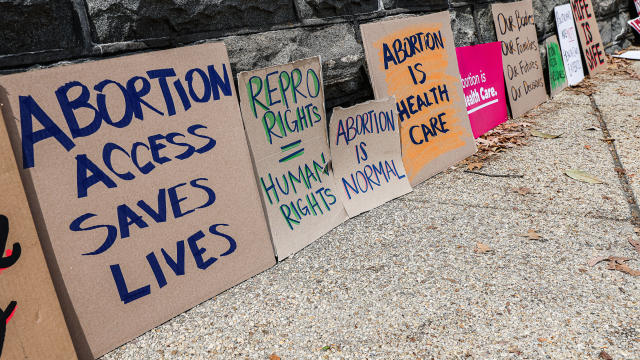
The case pits Idaho's near-total abortion ban against a federal law that the Biden administration says requires hospitals to offer emergency abortion care in certain situations.
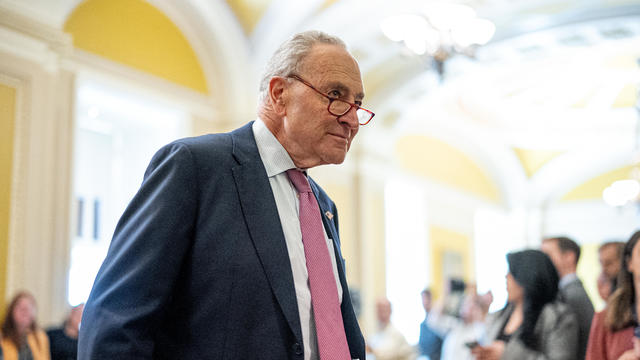
After months of disagreement in Congress, the Senate approved the package and sent it to President Biden. It includes a provision that could lead to a ban of TikTok.
The FBI calls on tech companies to "step up" to protect people looking for love online.
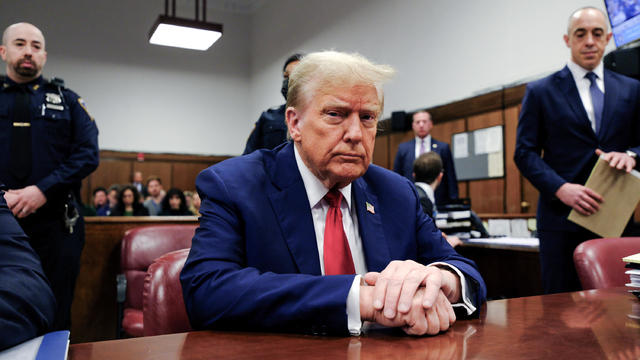
There are no cameras allowed in the court where Trump is being tried on 34 felony counts stemming from a "hush money" payment before the 2016 election.
Lawmakers argue the Chinese government can use the widely popular video-sharing app as a spy tool and to covertly influence the U.S. public.
Expanded federal overtime rule could result in employers paying workers an additional $1.5 billion, according to one estimate.

The USDA had floated banning flavored milk options from some school lunches.

Columbia University has given students 48 hours to dismantle their pro-Palestinian encampment on the school's main lawn.
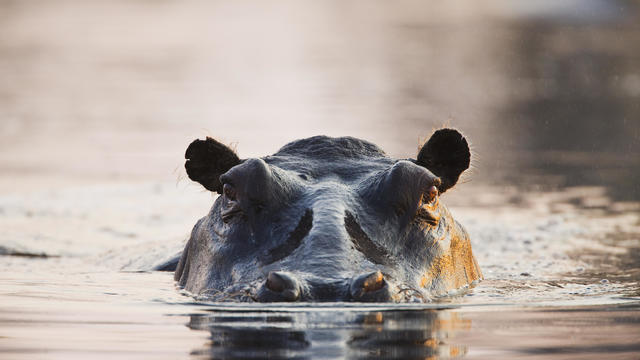
The hippo took a DNA test and it turns out he's 100% a female.

The U.S. is reaching "peak 65," marking the largest retirement wave in American history. But the financial outlook for many is grim.

Americans are underprepared for retirement, with the average account holding just $88,400 in savings.
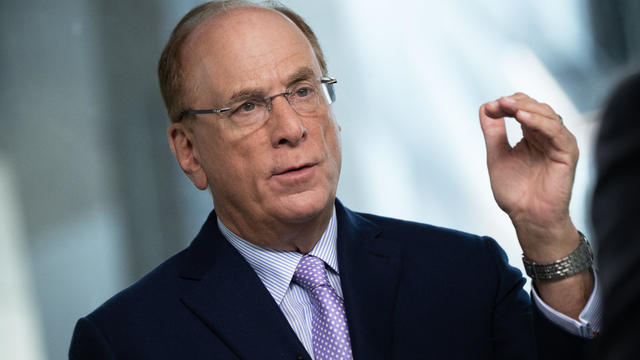
BlackRock CEO Larry Fink said that longer life expectancies are "putting the U.S. retirement system under immense strain."

About 1 in 8 workers think they'll retire by age 61. But the reality of saving for decades of expenses is daunting.

America's retirement system has left behind 90% of workers. "We see big gaps with the rich and the poor in terms of who gets to retire," one expert said.
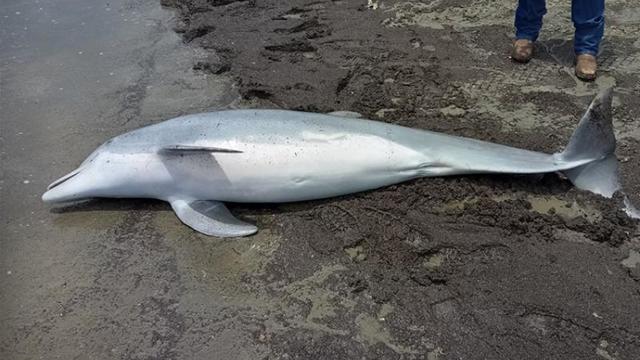
Authorities are offering a $20,000 reward for information that aids their investigation into a dolphin found shot dead in Louisiana.
Glenn Sullivan Sr., 54, pleaded guilty to four counts of second-degree rape on April 17.
The FBI calls on tech companies to "step up" to protect people looking for love online.
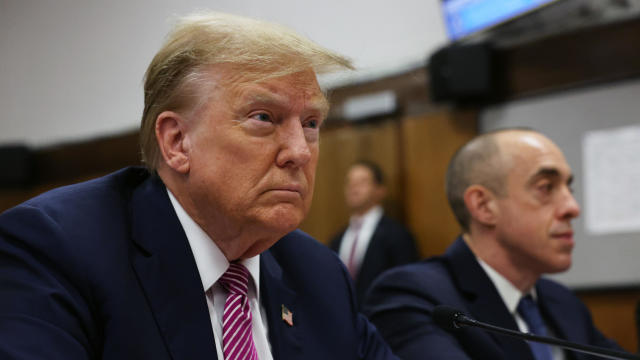
The outcome of the immunity case before the Supreme Court will have significant ramifications for former President Donald Trump's federal criminal prosecution in Washington, D.C.

"Although to some, the noise is annoying, they pose no danger to humans or pets," the sheriff wrote. "Unfortunately, it is the sounds of nature."
Lawmakers argue the Chinese government can use the widely popular video-sharing app as a spy tool and to covertly influence the U.S. public.
Expanded federal overtime rule could result in employers paying workers an additional $1.5 billion, according to one estimate.
Travelers often spend more than they need to for airfare, experts say. Here's what to know about paying for add-ons like your seat assignment.
Tesla reports slide in earnings and revenue, but investors cheered by pledge to accelerate rollout of cheaper vehicles.
Regulators prohibit new noncompetes, which impede millions of U.S. workers from getting a better job.
The outcome of the immunity case before the Supreme Court will have significant ramifications for former President Donald Trump's federal criminal prosecution in Washington, D.C.
The USDA had floated banning flavored milk options from some school lunches.
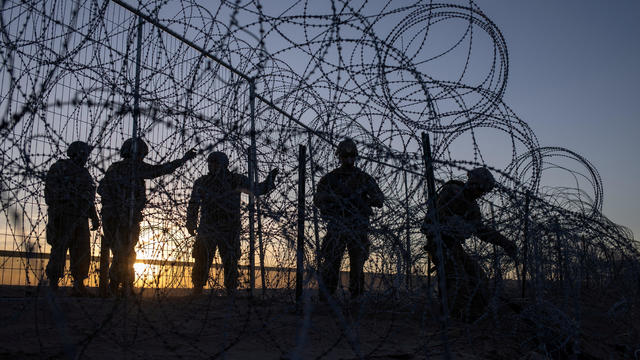
A Texas grand jury indicted more than 140 migrants on misdemeanor rioting charges over an alleged mass attempt to breach the U.S.-Mexico border, a day after a judge threw out the cases.
Lawmakers argue the Chinese government can use the widely popular video-sharing app as a spy tool and to covertly influence the U.S. public.
The Supreme Court is hearing arguments in a case that pits Idaho's near-total abortion ban against a federal law that requires hospitals to offer emergency care.
The USDA had floated banning flavored milk options from some school lunches.
UnitedHealth said it paid the criminals behind attack that crippled hospitals and pharmacies to protect sensitive patient data.
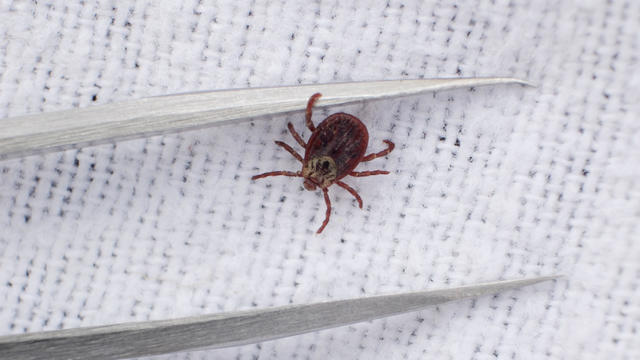
Warmer weather is prime time for ticks that can carry Lyme disease and other illnesses. Here's how to spot them and get rid of them.
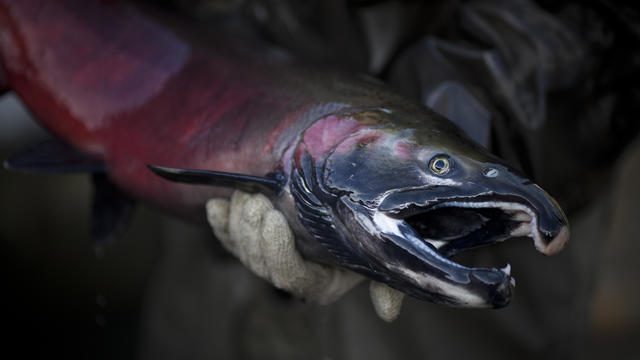
Tires emit huge volumes of particles and chemicals as they roll along the highway, and researchers are only beginning to understand the threat. One byproduct of tire use, 6PPD-q, is in regulators' crosshairs after it was found to be killing fish.
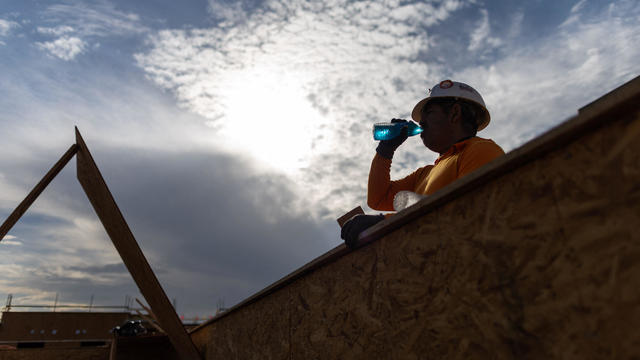
Cancer, heart disease, respiratory illnesses and kidney dysfunction among the health consequences of a warming planet.
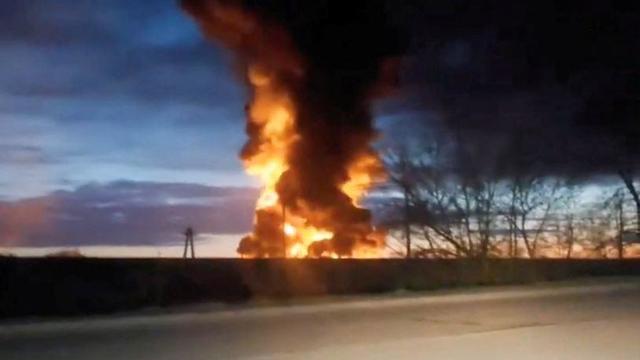
Ukraine claims to have destroyed almost 1 million cubic feet of fuel in a drone strike on Russian state-owned oil depots.
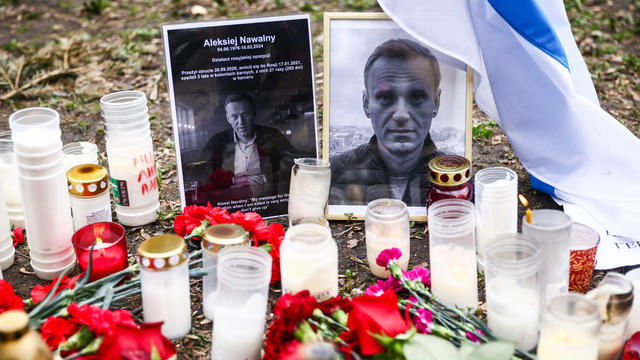
A priest who oversaw a memorial for late Russian opposition leader Alexey Navalny has been suspended by the head of the country's Orthodox Church.
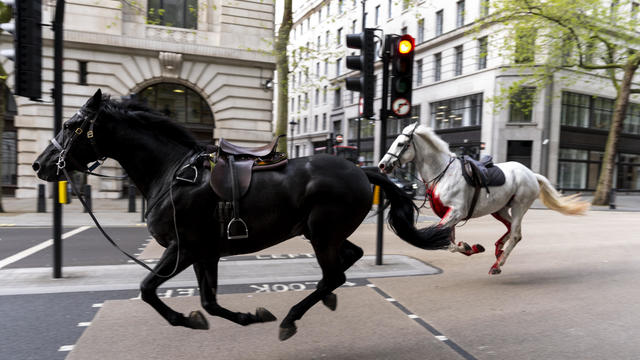
Two runaway military horses bolted through central London, leaving at least 4 people and the animals injured, officials said.
The hippo took a DNA test and it turns out he's 100% a female.
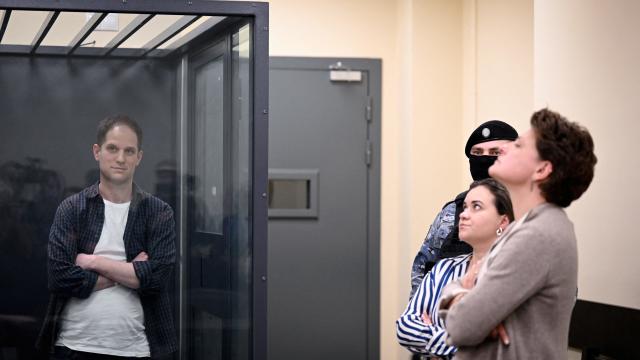
U.S. journalist Evan Gershkovich will remain "wrongfully detained" by Russia - with no sign yet of a trial on espionage charges – until at least June.
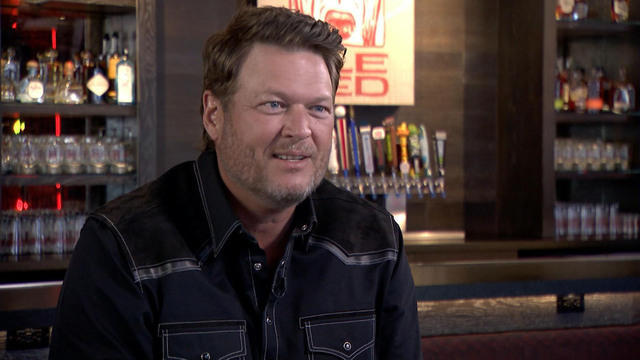
Country music star Blake Shelton expands his popular bar and music venue 'Ole Red' from Nashville to Las Vegas. This opening coincides with Shelton stepping back from his prominent TV roles.

Surprise guests, a broken foot and a history-making headliner.
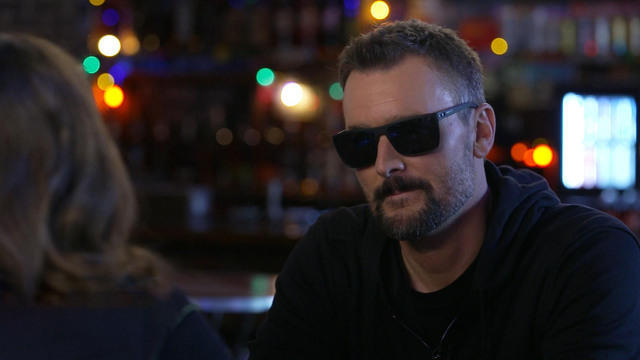
Eric Church is revered as one of country music's most respected figures, often described as Nashville's renegade. But he admits that even after his success, he sometimes still sees himself as an outsider.
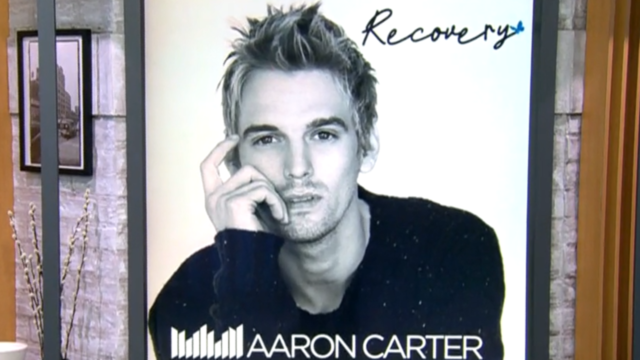
Angel Carter Conrad talks about her brother Aaron Carter, his death and how she hopes his legacy and previously unheard music can help others.

Emmy and Tony Award-winning actress Bebe Neuwirth is back on Broadway, starring as Fraulein Schneider in the new revival of "Cabaret."
Lawmakers argue the Chinese government can use the widely popular video-sharing app as a spy tool and to covertly influence the U.S. public.

NASA's Voyager 1, the first spacecraft to travel beyond our solar system, has started sending information back to Earth again after scientists managed to fix the probe from 15 billion miles away.

From labor shortages to environmental impacts, farmers are looking to AI to help revolutionize the agriculture industry. One California startup, Farm-ng, is tapping into the power of AI and robotics to perform a wide range of tasks, including seeding, weeding and harvesting.
Customers who rely on government assistance programs can get same perks as Prime members, for less.
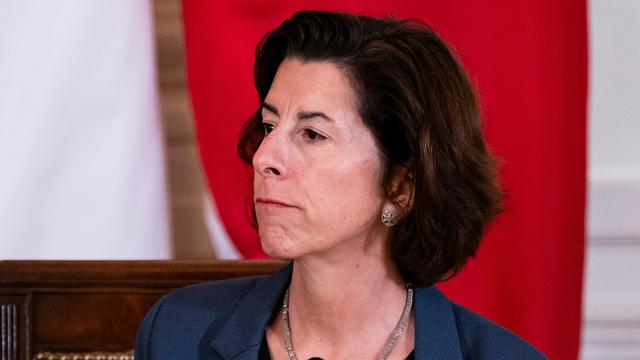
Secretary of Commerce Gina Raimondo is at the center of a global competition for semiconductor dominance. It's a battle that also puts her at the center of two of the hottest global national security hotspots. Lesley Stahl of 60 Minutes spoke with Raimondo for the broadcast.
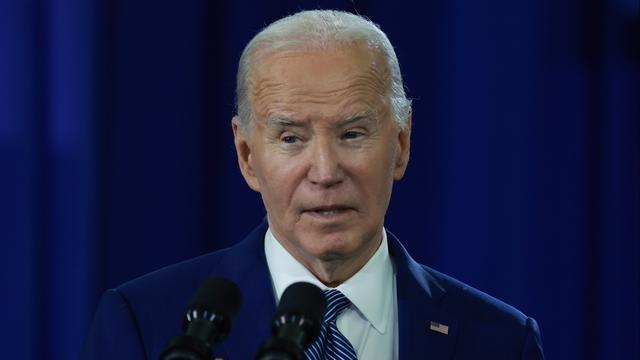
The White House is considering declaring a national climate emergency to unlock federal powers and stifle oil development, according to a Bloomberg report. Meanwhile, the Biden administration is announcing several projects this Earth Week. Columbia University Climate School professor Dr. Melissa Lott joins with analysis.
NASA's Voyager 1, the first spacecraft to travel beyond our solar system, has started sending information back to Earth again after scientists managed to fix the probe from 15 billion miles away.
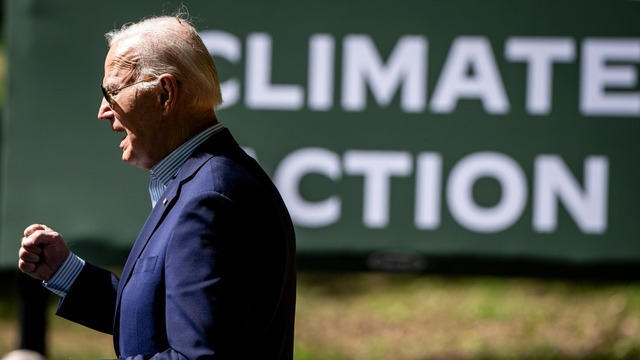
Relatively few Americans say they know a lot about President Biden's initiatives to combat climate change, according to a CBS News poll. Carolyn Kissane, a New York University global affairs associate dean and professor, joins CBS News with more on Biden's climate policies.

A photo taken two days after the sinking of the RMS Titanic apparently shows the iceberg that doomed the so-called unsinkable ship in 1912. CBS News' John Dickerson has details.
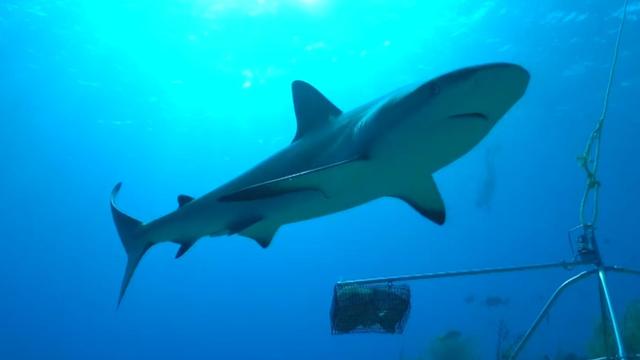
Despite how terrifying sharks might seem, the creatures are critical to the survival of the world's oceans. Oceans generate 50% of the oxygen on the planet and absorb 90% of excess heat created by global warming. CBS News senior national and environmental correspondent Ben Tracy spoke with conservationists in the Bahamas.
Glenn Sullivan Sr., 54, pleaded guilty to four counts of second-degree rape on April 17.
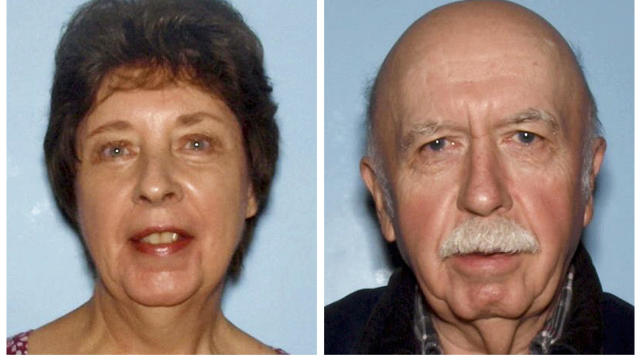
A person magnet fishing in Horse Creek found a .22-caliber rifle, a cellphone, driver's licenses and credit cards, authorities said.
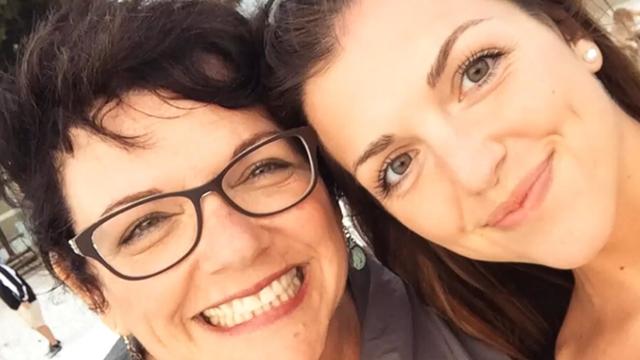
CBS News is investigating a growing number of fraud cases known as romance scams. Chief investigative correspondent Jim Axelrod explains how victims can unknowingly become perpetrators in the very scams they fall prey to.
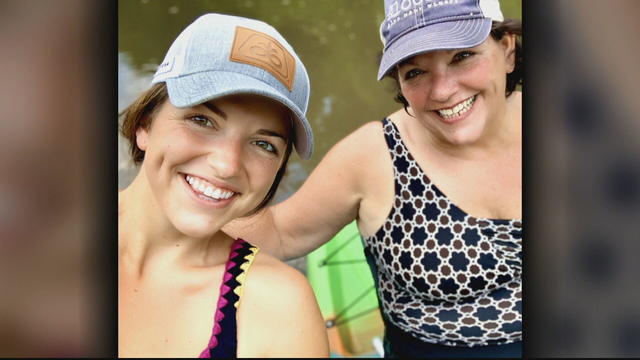
Jim Axelrod dives into the world of romance scams, showing how sometimes the victims can also become unwitting accomplices in the scammers' financial crimes.
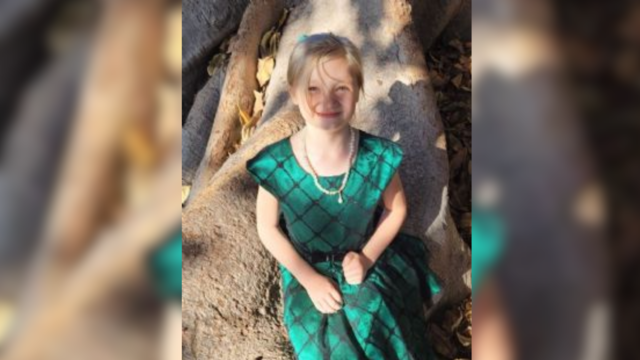
Don Steven McDougal, a family friend, was indicted by a Polk County grand jury in connection with the death of an 11-year-old girl.
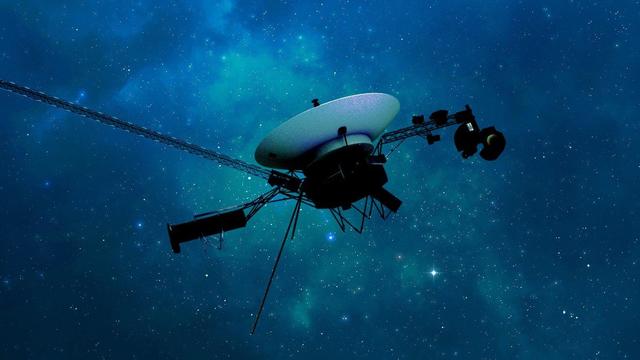
In November 2023, NASA's Voyager 1 spacecraft stopped sending "readable science and engineering data."
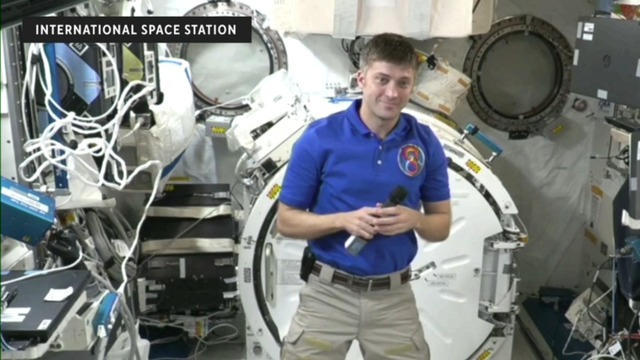
In two weeks, Boeing's Starliner spacecraft is scheduled to launch its first piloted test flight, bringing two veteran NASA astronauts to the International Space Station. Astronaut Matt Dominick joined CBS News from the ISS to talk about the mission and life in space.
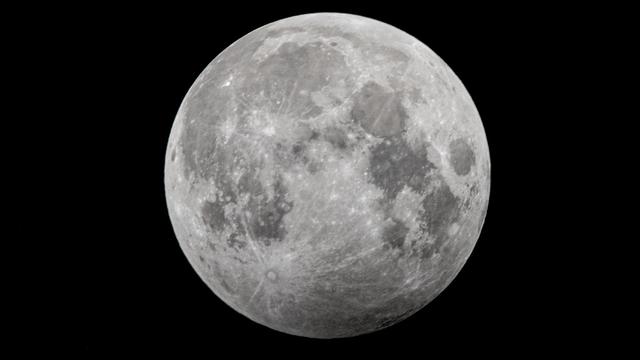
A process called cryopreservation allows cells to remain frozen but alive for hundreds of years. For some animal cells, the moon is the closest place that's cold enough.
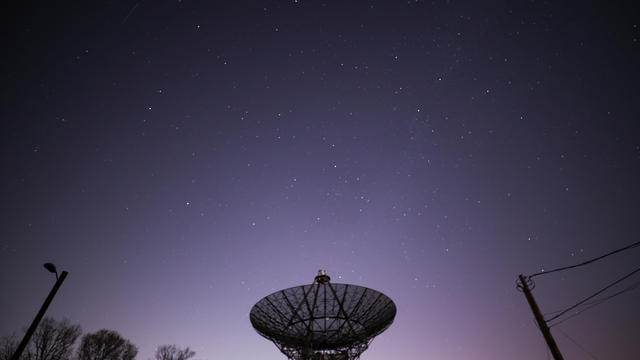
The Lyrid meteor show is set to peak as the week begins.

April's full moon, known as the Pink Moon, will reach peak illumination on Tuesday, but it will appear full from Monday morning through Thursday morning.
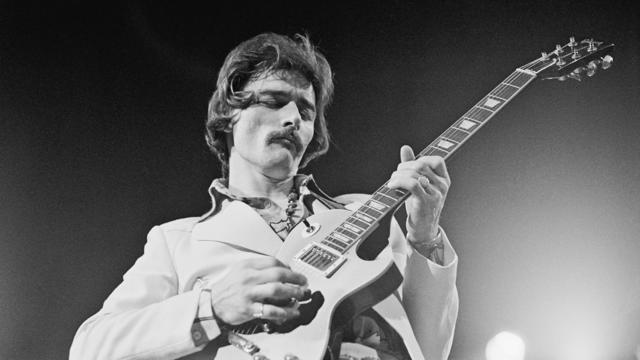
A look back at the esteemed personalities who've left us this year, who'd touched us with their innovation, creativity and humanity.

The Francis Scott Key Bridge in Baltimore collapsed early Tuesday, March 26 after a column was struck by a container ship that reportedly lost power, sending vehicles and people into the Patapsco River.
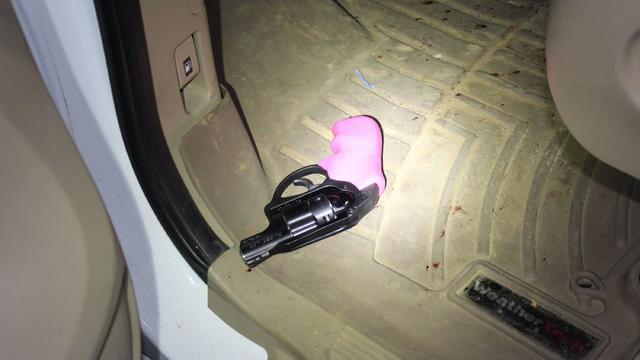
When Tiffiney Crawford was found dead inside her van, authorities believed she might have taken her own life. But could she shoot herself twice in the head with her non-dominant hand?
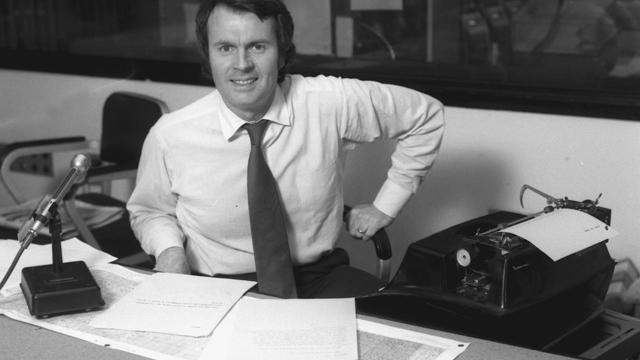
We look back at the life and career of the longtime host of "Sunday Morning," and "one of the most enduring and most endearing" people in broadcasting.

Cayley Mandadi's mother and stepfather go to extreme lengths to prove her death was no accident.
Country music star Blake Shelton expands his popular bar and music venue 'Ole Red' from Nashville to Las Vegas. This opening coincides with Shelton stepping back from his prominent TV roles.
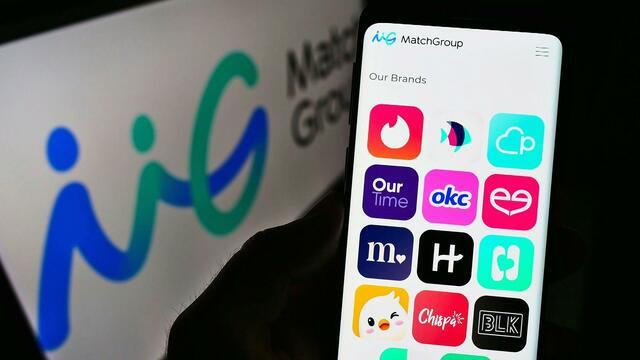
Dating companies say protecting their customers is a top priority but critics want them to do more to curb online scams and stop bad actors in their tracks, law enforcement officials and online security experts say. CBS News asks the CEO of Match Group — one of the biggest players in the online dating space — about customers who have lost everything.
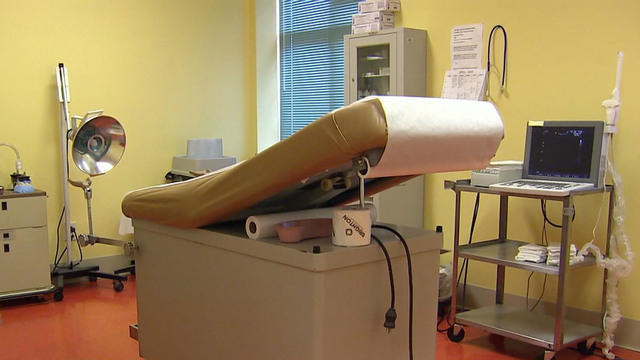
Less than two years after the overturn of Roe v. Wade, the Supreme Court is set to hear a high profile case Wednesday on Idaho’s near-total abortion ban that some doctors say is putting pregnant women at risk.
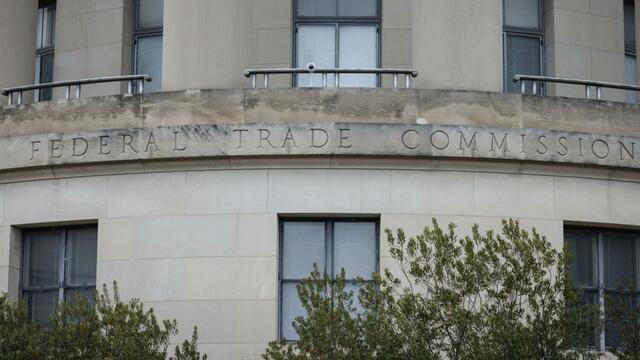
The Federal Trade Commission is planning to ban non-compete clauses, which are the parts of employer contracts that bar workers from leaving for a competitor or starting a competing business. The measure is not official and the U.S. Chamber of Commerce called the ban “unlawful,” saying it would sue the FTC to block it.
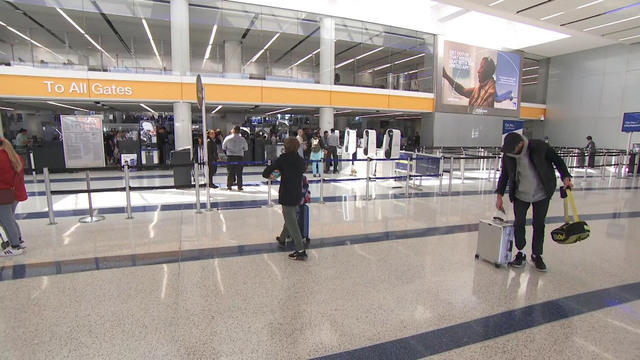
Next time you have trouble with your flight, you could be entitled to a cash refund. New rules from the U.S. Department of Transportation cover canceled flights and delays meeting certain requirements if you choose not to fly, along with specific fees.